
Safe and Sound Protocol (SSP)
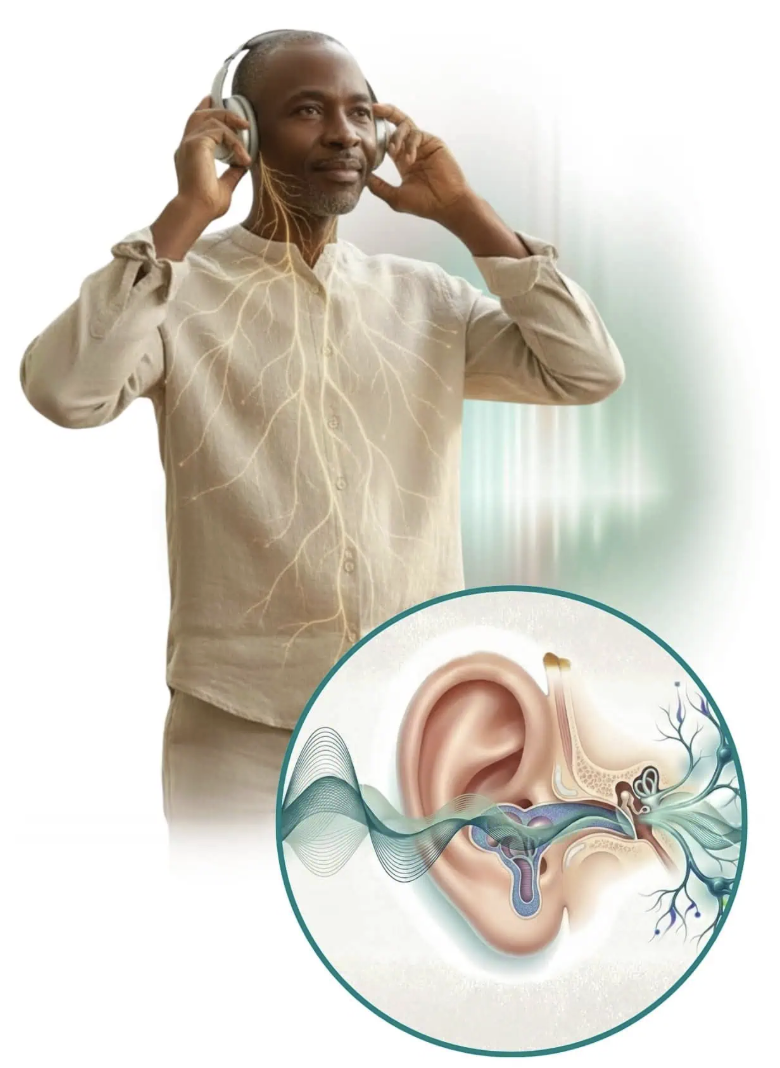

Vagus Nerve Therapy for Nervous System Support
If your body feels stuck in survival mode — reactive, fatigued, inflamed, wired, or shut down — the Safe and Sound Protocol offers a gentle, science-informed way to help your nervous system feel safe again. This guided vagus nerve therapy uses specially filtered music to support a shift from fight-or-flight into rest, repair, and renewed resilience.
Quick Links
What Is the Safe and Sound Protocol?

The Safe and Sound Protocol (SSP) is a music-based program designed to help regulate the nervous system. It was developed by Dr. Stephen Porges, the neuroscientist who created Polyvagal Theory.
The program works with the vagus nerve — the longest cranial nerve in the body and one of the main ways the brain and body communicate about whether we are safe or under threat.
When the nervous system senses safety, the body can move into what’s often called the “rest, digest, and repair” state. This is the state where healing, digestion, emotional balance, and restoration happen most effectively.
But when someone experiences chronic stress — whether emotional, mental, physical, or environmental — the nervous system can get stuck in survival states like fight, flight, or shutdown. In these states the body is focused on protection rather than repair. Heart rate increases, breathing becomes shallow, digestion slows, and the body can remain on high alert even when we are actually safe.
The Safe and Sound Protocol uses specially filtered music that you listen to through over-ear headphones. The music works through the auditory system and the inner ear to stimulate pathways connected to the vagus nerve. This process is often described as “toning” the vagus nerve, helping the nervous system receive cues of safety again.
As you listen gradually over the course of several months, the nervous system can begin to relearn what safety feels like. As regulation improves, many people notice changes in things like anxiety, sleep, digestion, emotional resilience, and overall wellbeing.
In simple terms, the Safe and Sound Protocol helps retrain the nervous system so the body can shift out of chronic stress and return to a state where healing is possible.
Understanding the Vagus Nerve
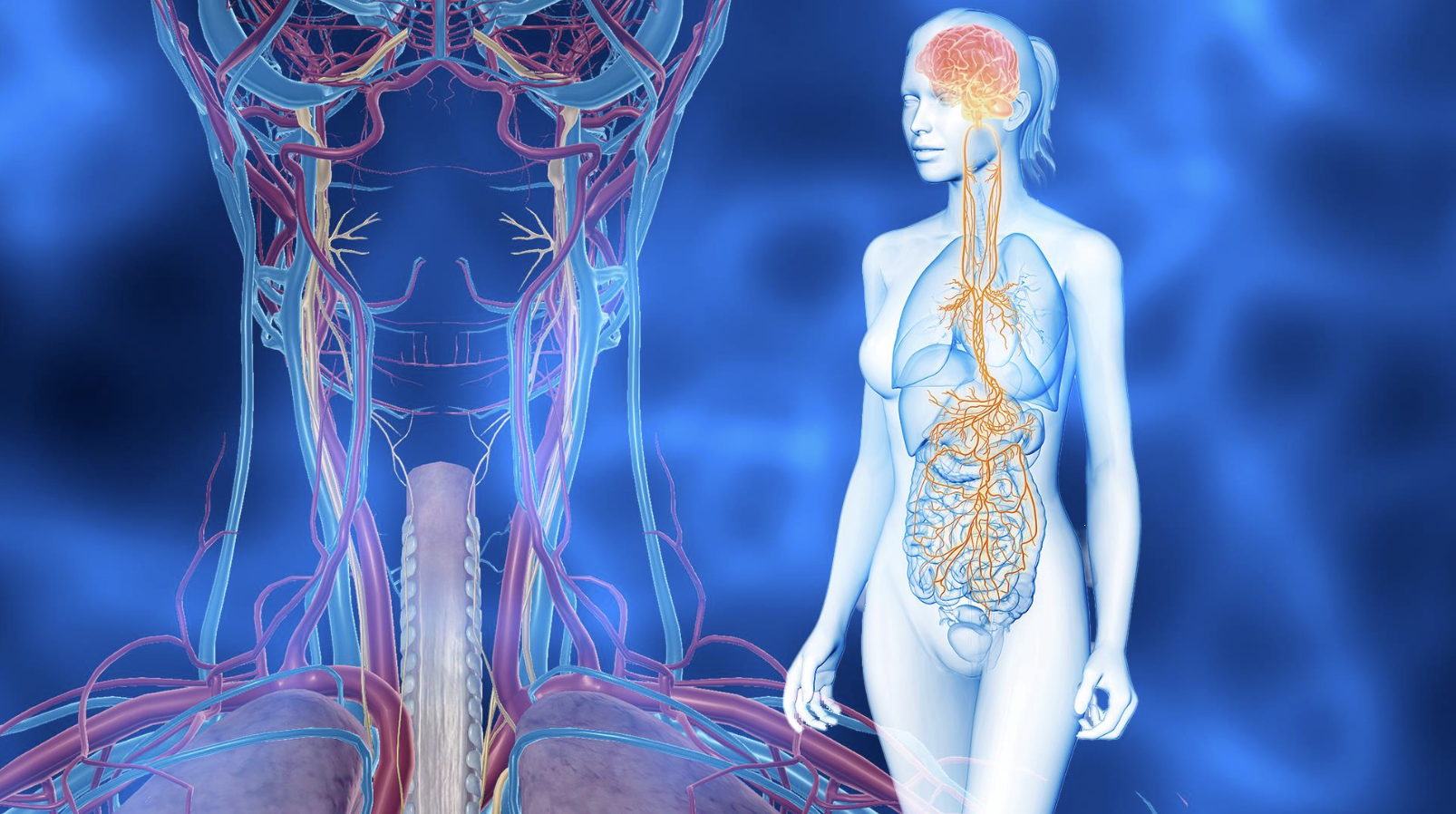
The vagus nerve is one of the primary communication pathways between the brain and body.
It helps regulate heart rate, digestion, inflammation, sleep, stress recovery, emotional regulation, and our ability to feel safe and connected with others.
When the nervous system has been impacted by chronic stress, trauma, illness, or prolonged periods of overwhelm, these communication pathways can become stuck in patterns of protection and survival.
This can contribute to symptoms such as anxiety, hypervigilance, sensory sensitivity, digestive issues, fatigue, sleep disruption, chronic illness, and difficulty recovering from stress.
The goal is not to “fix” the vagus nerve, but to help the nervous system become more flexible, resilient, and responsive to cues of safety.
How the Safe & Sound Protocol Works
Although SSP is delivered through music, it works through the auditory and nervous systems — not simply through enjoyment of sound.
The ear is not only for hearing. Portions of the vagus nerve — particularly the auricular branch — have connections within the ear, including areas of the concha. When sound enters the ear, it travels through neural pathways that communicate with brainstem structures involved in autonomic regulation.
The SSP music is specially filtered to emphasize frequencies involved in social communication and safety cues. These frequencies stimulate auditory pathways connected to the vagus nerve, supporting shifts in heart rate, breathing, digestion, inflammation, and emotional regulation.
When vagal tone improves, the body can move more easily out of chronic fight-or-flight patterns and into parasympathetic states of rest, repair, and connection. Over time, this may influence both physical symptoms (such as sleep, digestion, and stress reactivity) and emotional patterns (such as anxiety, shutdown, or social withdrawal).
Who Is SSP For?
The Safe and Sound Protocol is ideal for those experiencing long term stress, anxiety, trauma, burnout, chronic illness, or long-standing nervous system dysregulation.
It is especially supportive for individuals living with complex illness like dysautonomia, POTS, MCAS, IBS, autoimmune challenges, sensory sensitivity, Lyme & co-diseases, mold toxicity and more.
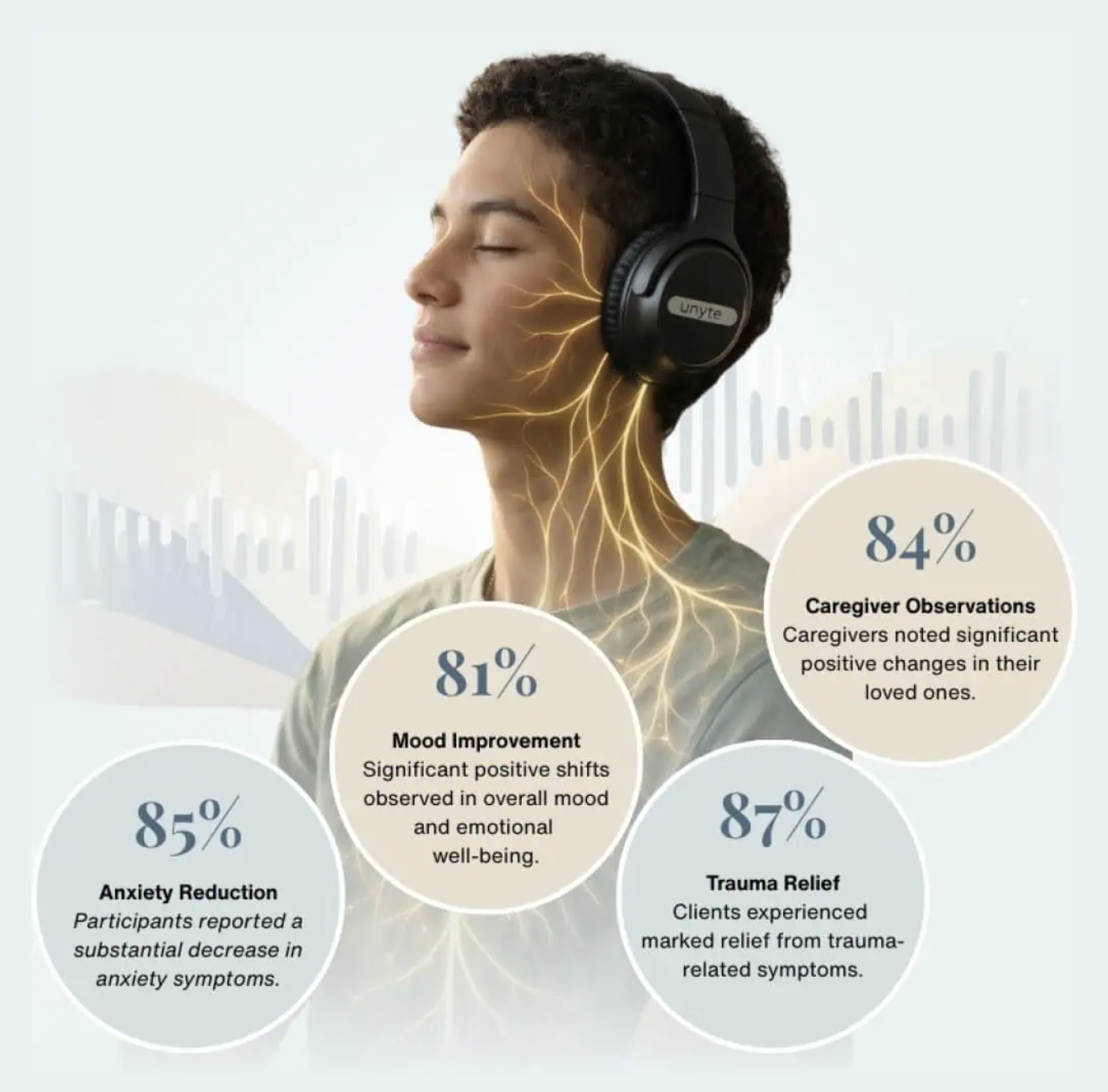
SSP may be a good fit if:
• Your body feels stuck in fight-or-flight or shutdown
• You experience high reactivity to stress, sound, or stimulation
• Fatigue, inflammation, or anxiety have become your baseline
• You’ve tried “pushing through” and it’s no longer working
• You want structured, supported nervous system healing
SSP is not about forcing change. It is about gently building capacity for safety at a pace your nervous system can tolerate.
Conditions Commonly Supported by SSP
SSP offers benefits for a wide range of health conditions that cause emotional or nervous system dysregulation, including:
Chronic Fatigue Syndrome (CFS)
Chronic Inflammatory Response Syndrome (CIRS)
Mast Cell Activation Syndrome (MCAS)
Multiple Chemical Sensitivities (MCS)
Chronic Stress and Anxiety
Depression and Post-Traumatic Stress Disorder (PTSD)
Insomnia
Long-haul Covid
Neuro-developmental differences and learning and behavioral challenges
Attention Deficit Hyperactivity Disorder (ADHD) and sensory processing disorders
Autism spectrum disorders
Postural Orthostatic Tachycardia Syndrome (POTS)
& more
What to Expect in the Process
SSP is accessed through a secure listening app using over-ear headphones.
You’ll begin with an intake assessment and planning session with certified SSP practitioner, Erica Skone-Rees, to review your history, sensitivity level, and goals. After enrollment, you’ll receive app access and select your music pathway.
Your first listening session is completed with Erica. From there, listening occurs in short, carefully paced sessions — often 2–15 minutes at a time — based on your nervous system’s capacity. We begin slowly and adjust as needed to ensure the process feels supportive, not overwhelming.
The Foundational SSP Program includes four 60-minute coaching sessions and four 30-minute pacing check-ins to help track changes, process responses, and integrate regulation tools alongside the listening.
Pacing varies depending on your history and sensitivity. Some individuals complete the program within a few months; others move more gradually over time. There is no rush — safety guides the pace.
Learn more about how SSP supports the autonomic nervous system.
Guided by certified SSP practitioner, Erica Skone-Rees

The Safe and Sound Protocol is guided with careful attention to safety, pacing, and individual sensitivity.
Erica Skone-Rees is a trained & certified SSP provider, mindfulness meditation mentor, and nervous system coach specializing in chronic stress, trauma patterns, and complex illness. Her work bridges clinical understanding with lived experience, offering steady, compassionate guidance throughout the process.
Testimonials
Lets Get Started…
-

Foundational SSP Program
Designed as a complete, fully supported Safe and Sound Protocol experience from start to finish. This program lays the groundwork for nervous system regulation and long-term resilience.
This program includes:
• A complimentary consultation to ensure SSP is the right fit
• Comprehensive intake forms and a personalized assessment session
• A custom pacing plan tailored to your nervous system
• Guided listening structure for Connect, Core, and Balance
• Four 60-minute coaching sessions for integration and personal support
• Four 30-minute SSP check-in sessions to adjust pacing
• 15 hours of therapeutic SSP music
• One full year of SSP music app access
• Email or text support between sessions
• Additional coaching sessions available at an additional investment.
We move slowly, thoughtfully, and in collaboration with your body’s cues. Your year of access allows flexibility for gradual progress and, when appropriate, repetition.Investment:
$2,200
Pay in full: $1,900
Or
Payment plan: 4 payments of $550 -

SSP Ongoing Support
For individuals who have completed the Foundational SSP Program and would like continued access as their nervous system deepens integration.
Many choose to repeat all or part of the protocol because it felt deeply supportive the first time. As life evolves — new stressors, health changes, or significant transitions — the nervous system may benefit from revisiting Connect, Core, or Balance at a new layer.
This option includes:
• One 30-minute planning session to determine which SSP program (Connect, Core, or Balance) best supports you now
• Continued access to the SSP listening app (access to two programs at a time)
• One 15-minute pacing check-in each month
• Email support between sessions
• Additional coaching sessions available at an additional investment
Revisit the work in a way that honors your timing, with guidance available when needed.
Investment:
$149 per month
Month-to-month enrollment. Cancel anytime with notice.
Frequently Asked Questions
-
Although SSP is delivered through music, it works through the auditory and nervous systems — not simply through enjoyment of sound.
The ear is not only for hearing. Portions of the vagus nerve — particularly the auricular branch — have connections within the ear, including areas of the concha. When sound enters the ear, it is transmitted through neural pathways that influence autonomic regulation.
The SSP music is specially filtered to emphasize frequencies involved in social communication and safety cues. These frequencies stimulate auditory pathways that communicate with brainstem structures connected to the vagus nerve.
The vagus nerve plays a central role in regulating heart rate, breathing, digestion, inflammation, and emotional state. When vagal tone improves, the body can more easily shift out of chronic fight-or-flight patterns and into states of calm, connection, and recovery.
Over time, this can influence both physical symptoms (such as stress reactivity, digestion, sleep, or heart rate variability) and emotional patterns (such as anxiety, shutdown, or social withdrawal).
So while it sounds like music, it is designed to gently engage the nervous system in a very specific and physiological way.
-
The vagus nerve is a primary communication pathway between the brain and the body. It helps regulate heart rate, breathing, digestion, inflammation, immune signaling, and emotional state.
It plays a central role in shifting the body between stress responses (fight, flight, or shutdown) and parasympathetic states — often referred to as “rest, digest and repair.” When parasympathetic tone is accessible, the body can digest food more effectively, regulate heart rhythm, reduce inflammation, support immune function, and experience greater emotional steadiness.
When the vagus nerve is dysregulated, the body may feel stuck in chronic stress patterns — wired, reactive, fatigued, or shut down.
SSP is designed to gently support vagal regulation through sound, helping the nervous system move more easily into parasympathetic states where healing, connection, and recovery can occur.
-
Yes. SSP is often supportive for individuals with high sensitivity, POTS, MCAS, dysautonomia, trauma patterns, and stress-linked conditions. Careful pacing and ongoing guidance are essential.
-
Yes. SSP can complement many forms of therapy and medical treatment. It is not a replacement for medical care, but a nervous system intervention that can support overall regulation and healing.
That said, it is generally best not to begin multiple new therapies at the same time — especially at the start of SSP. Introducing one new modality at a time allows you to clearly observe your nervous system’s response.
Some nervous system-focused approaches, when layered together too quickly, can feel overstimulating. The nervous system tends to respond best to slower pacing — less is often more.
If you are currently working with a therapist or medical provider, we can discuss timing and coordination to ensure your system feels supported rather than overloaded.
-
Listening sessions are intentionally short — often between 2–15 minutes at a time — and are paced according to your nervous system’s capacity. Some individuals move through Core within a few months, while others take longer with shorter, more gradual sessions.
The Core SSP program includes five hours of specially filtered therapeutic music and is the minimum requirement for completion.
When Connect and Balance are included, total listening time may extend to fifteen hours or more.
Depending on sensitivity, history, and pacing needs, the full process may take anywhere from 3 to 12 months. There is no rush — safety and regulation guide the timeline, not a deadline.
-
During listening sessions, many people feel calm, settled, or simply neutral. The music may sound like regular music, though some notice subtle shifts in tone or filtering.
Over time, you may begin to notice changes outside of listening sessions — improved sleep, more steady energy, reduced sound sensitivity, or greater ease in social or stressful situations.
Some individuals experience temporary fatigue, emotional release, or mild fluctuations as the nervous system recalibrates. If anything feels activating or uncomfortable, we slow the pacing and adjust as needed.
SSP is not meant to feel intense. The shifts are often gradual, subtle, and cumulative — building capacity for safety and regulation over time.
-
You’ll access SSP through a secure listening app on a compatible smartphone or tablet. Most newer iOS and Android devices are supported. We’ll confirm compatibility before you begin.
-
SSP requires over-ear (circumaural) headphones that fully cover the ears. Earbuds and on-ear styles are not recommended. Noise-canceling headphones should only be used if the noise-canceling feature can be completely turned off.
-
While SSP is delivered through music, it is not simply passive listening. The music is specially filtered to stimulate the vagus nerve, and nervous systems can respond in very individual ways.
A trained SSP practitioner knows how to monitor nervous system cues that most people would not recognize — such as subtle signs of activation, fatigue, shutdown, or overstimulation. We adjust pacing, duration, and pathway accordingly to keep the process supportive.
Without careful titration, listening can move too quickly for some nervous systems. SSP is most effective — and safest — when it is guided with attention to your unique capacity.
-
The Safe and Sound Protocol includes three listening pathways: Connect, Core, and Balance.
Connect is a gentler entry point, often used for highly sensitive nervous systems. It helps establish safety and prepare the system before and during Core.
Core is the foundational five-hour therapeutic program designed to support vagal regulation and shift the nervous system out of chronic fight-or-flight patterns.
Balance is used for continued integration and strengthening once Core is completed. It offers lightly filtered music that supports ongoing regulation before transitioning out of the program.
Not everyone needs all three. Together, we determine which pathway — and in what order — best supports your history, sensitivity, and goals.
-
Choose low-stimulation activities such as resting, drawing, gentle stretching, or sitting quietly. The goal is to create an environment that feels calm and neutral for your nervous system.
Avoid stressful work, intense exercise, emotionally activating content, or multitasking during listening sessions.
Your time with SSP is meant to be a space for self-care and restoration. The environment and activities you pair with the music become associated through your limbic system, so creating positive, safe connections during listening helps reinforce cues of safety in the nervous system.
-
Each program (connect, core & balance) will be listened to at diffrent pacings. Core listening sessions start off intentionally short and carefully paced. Some people begin with only a two minutes at a time. Duration and frequency are adjusted based on your nervous system’s response.
-
SSP is highly individualized, and changes can look different for everyone.
Some people notice shifts quickly — feeling calmer during listening, sleeping more deeply, or experiencing changes in anxiety, digestion, respiration or sound sensitivity. For others, the changes are more subtle and become clear in hindsight.
We also look for nervous system cues such as reduced startle response, quicker recovery after stress, improved tolerance for stimulation, or greater ease in social situations.
If you’re unsure, we review what you’re noticing together in sessions and adjust pacing or pathway as needed. Often, progress is gradual and cumulative rather than dramatic.
-
You are always in control of your listening. You can pause at any time, shorten sessions, take longer breaks between listening days, and reach out for support if needed.
Activation typically signals that pacing needs to slow down. We adjust duration, frequency, or pathway to ensure the process feels manageable and supportive.
SSP works best when it is guided carefully and moved through gently. There is no benefit to pushing through discomfort.
-
Because nervous system change takes time and careful pacing, a minimum three-month commitment is required before evaluating fit.
If, within the first six months of enrollment, we determine together that the Foundational SSP Program is not appropriate for you, a partial refund of up to $500 may be issued.
Coaching sessions completed and music access already used are non-refundable.
-
SSP Ongoing Support is billed month-to-month.
You may cancel at any time with at least 10 days’ written notice prior to your next billing date. Monthly payments already processed are non-refundable.
If you’re wondering whether SSP is the right fit for your nervous system, I invite you to schedule a complimentary consultation. We’ll review your history, sensitivity level, and goals, and determine together whether this approach feels aligned.